How To Bleed A Boiler: A Comprehensive Guide
If you own a boiler, you know that it requires regular maintenance to keep it running efficiently. One of the most important things you can do is to bleed your boiler. Bleeding your boiler helps to remove any trapped air inside that might be causing it to work less efficiently. In this article, we will provide you with a comprehensive guide on how to bleed a boiler.
Before we dive into the details of how to bleed a boiler, let's first understand what bleeding a boiler means. Bleeding a boiler is the process of removing any trapped air from the heating system. When air gets trapped inside your boiler, it can cause the system to work less efficiently, and in some cases, it can cause damage to the boiler.
Bleeding a boiler is an easy process that you can do yourself. All you need is a few basic tools, and you'll be able to get your boiler working efficiently again. In this article, we'll take you through the step-by-step process of bleeding a boiler.
The Process of Bleeding a Boiler
To bleed a boiler, you'll need a few tools:
- A radiator key
- A towel or cloth
- A container to catch any water that may come out
Now, let's go through the process of bleeding a boiler:
- Turn off your boiler and allow it to cool down for at least an hour.
- Locate the radiators in your home that are furthest away from the boiler. These radiators are the ones that are most likely to have trapped air inside them.
- Place the container underneath the radiator's bleed valve. Ensure the container is large enough to hold all the water.
- Use the radiator key to turn the bleed valve anticlockwise. You should hear a hissing sound as the trapped air escapes.
- Once water s to come out of the valve, close it by turning it clockwise.
- Repeat this process for each radiator in your home, ing with the one furthest away from the boiler and working your way back.
It's important to note that you should only bleed your boiler when it is turned off and cool to the touch. Also, be careful when opening the bleed valve as hot water may come out.
Common Problems When Bleeding a Boiler
While bleeding a boiler is a straightforward process, there are some common problems that you might encounter. Here are some of these problems and how to fix them:
Radiators Not Heating Up
If your radiators aren't heating up after you've bled them, it could be because there is still air trapped inside the system. In this case, you'll need to repeat the bleeding process until all the air has been removed.
Water Leaking From the Radiator
If you notice water leaking from the radiator's bleed valve, it could be because the valve isn't fully closed. Make sure to turn the valve clockwise until it is completely closed.
Reduced Pressure in the Boiler
After bleeding your boiler, you might notice that the pressure has reduced. This is because bleeding releases water from the system. To restore the pressure, you'll need to top up the system with water.
Tips for Bleeding Your Boiler
Here are some tips to keep in mind when you're bleeding your boiler:
- Always turn off your boiler before bleeding it.
- Use a container to catch any water that may come out of the bleed valve.
- with the radiators that are furthest away from the boiler.
- Be patient; bleeding your boiler can take some time.
- Check the pressure in your boiler after bleeding it to ensure it hasn't dropped too low.
Bleeding your boiler is an essential part of maintaining your heating system. By following the steps outlined in this article, you'll be able to remove any trapped air and keep your boiler working efficiently. Remember to take your time when bleeding your boiler and follow all safety precautions.
Frequently Asked Questions
Q1: How often should I bleed my boiler?
A: You should bleed your boiler at least once a year to keep it working efficiently.
Q2: Can I bleed my boiler myself?
A: Yes, you can bleed your boiler yourself. All you need is a radiator key and some basic tools.
Q3: What happens if I don't bleed my boiler?
A: If you don't bleed your boiler, trapped air can cause your system to work less efficiently, and in some cases, it can cause damage to your boiler.
Q4: How do I know if there is air trapped inside my boiler?
A: If your radiators aren't heating up properly, or you hear banging noises coming from your boiler, it could be a sign that there is trapped air inside.
Q5: Is it dangerous to bleed a boiler?
A: Bleeding a boiler is a safe process as long as you follow all safety precautions and make sure your boiler is turned off and cool to the touch.
Q6: Can I bleed my boiler while it's still hot?
A: No, you should never bleed your boiler while it's still hot. Wait for it to cool down before beginning the process.
Q7: How long does it take to bleed a boiler?
A: The time it takes to bleed a boiler depends on how many radiators you have in your home. It can take anywhere from 30 minutes to an hour.
Q8: Can I bleed my boiler if it's a combi boiler?
A: Yes, you can bleed a combi boiler. The process is the same as bleeding a regular boiler.
Q9: What should I do if I can't get the radiator key into the bleed valve?
A: If you're having trouble getting the radiator key into the bleed valve, it could be because the valve is too tight. In this case, you'll need to use pliers to loosen it.
Q10: Will bleeding my boiler help reduce my energy bills?
A: Yes, bleeding your boiler can help to improve its efficiency, which can lead to lower energy bills.
14 How to bleed a boiler Images

Make Your Steam Boilers More Efficient Steam Boiler Boiler Boiler

1000 Images About Water Heating Cooling Systems On Pinterest Solar

Navien Tankless Combi Boiler Boiler Installation Boiler Heating Systems

Boilermaker BW Rear Wall Boilermaker Pinterest

How To Bleed A Radiator Combi Boiler Cast Iron Radiators Painted

Steam Boiler Types Based On Functions Designs Consumption Tech

Read Our Technical Bulletin To Find Out How To Get The Best Quality

How To Bleed A Radiator Radiator Heating Heat Pump Heating Systems

Thermostaticradiatorvalves Radiator Valves Radiators Bathroom

Gate Valve 20 Inch Class 150 Trim HF Gate Valve Valve Stainless

Boiler Flue Changes Required When Replacing A Gas Boiler Great Home

Gate Valve Gate Valve Valve Gate
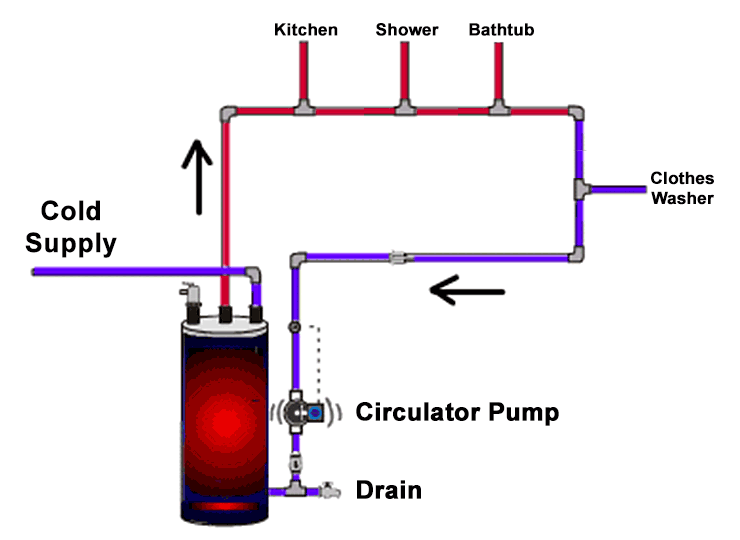
Hot Water Boiler Solar Water Heating System

Adam Block Design Gold Tees Kappa Alpha Theta Theta
Post a Comment for "How To Bleed A Boiler: A Comprehensive Guide"