Callisia: The Plant that Can Do WondersFrequently Asked Questions
If you're an avid gardener or just someone who loves to decorate their home with beautiful plants, you might have come across the name "Callisia" before. This plant is a member of the Commelinaceae family and is native to Central and South America. The genus Callisia consists of approximately 20 species of evergreen perennials that are popular for their ornamental value.
While the Callisia plant may not be as well-known as some other houseplants, it has become increasingly popular in recent years due to its unique features and benefits. In this blog post, we'll explore everything you need to know about this amazing plant, from its history and characteristics to how to care for it and its various uses.
What is Callisia?
Callisia is a beautiful plant that is also known as the 'Bolivian Jew' or 'Turtle Vine'. It is a trailing plant that grows up to 2-3 feet long and is characterized by its small, oval-shaped variegated leaves that are green with yellow stripes. The plant produces clusters of tiny pinkish-white flowers that bloom in the spring and summer months.
The Callisia plant has been used in traditional medicine for centuries due to its medicinal properties. The plant contains flavonoids, tannins, and terpenoids, which are known to have anti-inflammatory, analgesic, and antioxidant effects. It has been used to treat various ailments such as headaches, sore throat, and stomach issues.
Types of Callisia Plants
There are several types of Callisia plants, each with its own unique features and benefits:
Callisia repens
This is the most common type of Callisia plant, also known as the 'Creeping Inch Plant.' It has a trailing habit and produces leaves that are green with pink stripes. This plant is easy to care for and is perfect for beginner gardeners.
Callisia fragrans
This type of Callisia plant has a bushy habit and produces small, white flowers that have a sweet fragrance. The leaves are green with yellow stripes and have a glossy finish. It is also known as the 'Fragrant Inch Plant.'
Callisia navicularis
This plant has a trailing habit and produces small, oval-shaped leaves that are green with silver stripes. It is also known as the 'Chain Plant' due to its ability to form long chains of stems and leaves.
How to Care for Callisia Plants
Callisia plants are relatively easy to care for and require minimal maintenance. Here are some tips on how to care for your Callisia plant:
- Soil: Use well-draining soil that is rich in organic matter.
- Watering: Water your Callisia plant once a week, allowing the soil to dry out between waterings.
- Lighting: Place your Callisia plant in bright, indirect sunlight.
- Temperature: Keep your Callisia plant in temperatures between 60-75°F (15-24°C).
- Fertilizer: Feed your Callisia plant with a balanced fertilizer once a month during the growing season.
Benefits of Callisia Plants
Apart from being an attractive houseplant, Callisia plants have several benefits:
- Air purifying: Callisia plants are known to improve indoor air quality by removing harmful pollutants from the air.
- Medicinal: As mentioned earlier, Callisia plants have medicinal properties and have been used to treat various ailments.
- Ornamental: Callisia plants are great for decorating your home or office due to their unique appearance.
Uses of Callisia Plants
Callisia plants have several uses, including:
- Indoor decoration: Callisia plants make great indoor plants and can be used to decorate your home or office.
- Traditional medicine: Callisia plants have been used in traditional medicine for centuries due to their medicinal properties.
- Beauty products: The extract from the Callisia plant is used in several beauty products due to its antioxidant and anti-inflammatory properties.
Buying Callisia Plants
Callisia plants are available at most garden centers and online stores. When buying a Callisia plant, make sure to choose a healthy plant with no signs of pests or disease.
Propagating Callisia Plants
Callisia plants can be propagated easily through stem cuttings. Here's how to propagate your Callisia plant:
- Take a stem cutting that is 4-6 inches long.
- Remove the leaves from the bottom half of the stem.
- Dip the cut end of the stem in rooting hormone.
- Plant the stem in well-draining soil.
- Water the soil and keep it moist until the plant has rooted.
In conclusion, the Callisia plant is an amazing plant that deserves more attention. It is easy to care for, has several benefits, and can be used in various ways. Whether you're a beginner gardener or an experienced one, the Callisia plant is perfect for adding some greenery to your home.
Q1. What is the best way to care for my Callisia plant?
Ans: Callisia plants require bright, indirect sunlight, well-draining soil, and minimal watering. Water your Callisia plant once a week, allowing the soil to dry out between waterings. Feed your Callisia plant with a balanced fertilizer once a month during the growing season.
Q2. Can I grow Callisia plants outdoors?
Ans: Yes, Callisia plants can be grown outdoors in warm climates. They prefer partial shade and well-draining soil.
Q3. Is the Callisia plant poisonous?
Ans: No, the Callisia plant is not poisonous to humans or pets.
Q4. How can I propagate my Callisia plant?
Ans: Callisia plants can be propagated easily through stem cuttings. Take a stem cutting that is 4-6 inches long, remove the leaves from the bottom half of the stem, dip the cut end of the stem in rooting hormone, plant the stem in well-draining soil, water the soil and keep it moist until the plant has rooted.
Q5. Can I use Callisia plants for medicinal purposes?
Ans: Yes, Callisia plants have medicinal properties and have been used in traditional medicine for centuries to treat various ailments.
Q6. How often should I fertilize my Callisia plant?
Ans: Feed your Callisia plant with a balanced fertilizer once a month during the growing season.
Q7. What are the benefits of Callisia plants?
Ans: Callisia plants are air-purifying, medicinal, and ornamental.
Q8. What are the different types of Callisia plants?
Ans: There are several types of Callisia plants, including Callisia repens, Callisia fragrans, and Callisia navicularis.
Q9. Where can I buy Callisia plants?
Ans: Callisia plants are available at most garden centers and online stores.
Q10. How do I know if my Callisia plant is healthy?
Ans: A healthy Callisia plant will have bright green leaves, no signs of pests or disease, and will be growing new leaves regularly.
12 Callisia Images

Callisia Fragrans 2 For 4 Dollars Etsy Ground Cover Plants House

Love The Colour Is Your Callisia Turning Purple Or Pink

Callisia Repens Suculentas Plantas Suculentas Plantacin De Rboles

Callisia Fragrans By Dyalma Pretty Plants Unusual Plants Plants

Callisia Repens Pink Lady Indoor Plants Indoor Green Plants Plants

Callisia Elegans I Finally Figured Out The Name For My Plant Plants

Callisia Fragrans Brazil Plants Succulents Garden Succulents

Callisia Soconuscensis Variegata Plant Decor Flower Garden Foliage
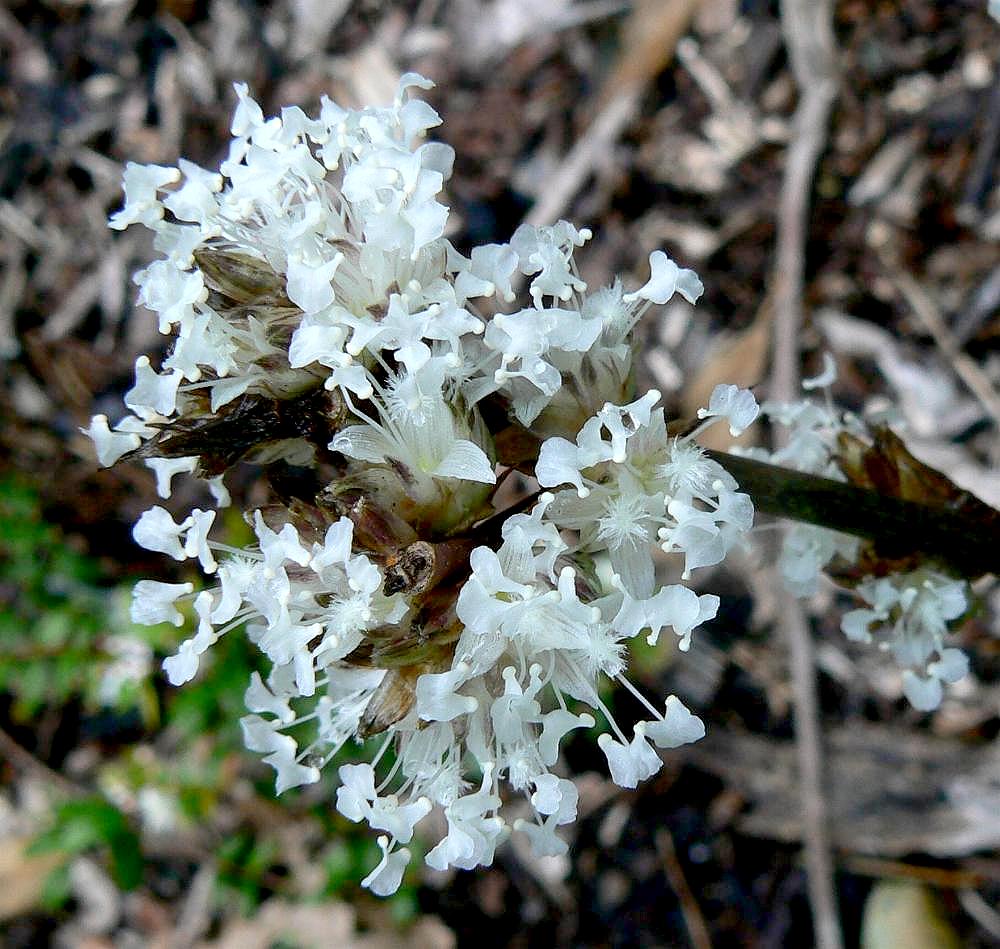
Callisiafragransjpg 1000949 Plants Color Earth

Callisia Repens Turtle Vine World Of Succulents Blooming

My New Callisia Repens Bianca Hanging Plants Planting Flowers

Callisia Soconuscensis Variegata Plants Secret Garden Begonia
Post a Comment for "Callisia: The Plant that Can Do WondersFrequently Asked Questions"